
Green Sustainable Solutions (GSS), represented by CEO Dinko Đurđević, participated in the final conference of the TransH2 project, which brought together stakeholders focused on hydrogen deployment, port decarbonisation, clean transport and regional energy transition.
The conference confirmed the growing role of ports as strategic decarbonisation hubs. A particularly relevant example was the Port of Trieste, which is actively progressing with investments in electrification, renewable energy integration, hydrogen solutions and broader clean-energy infrastructure. These developments demonstrate how ports are evolving from logistics centres into energy platforms capable of supporting hydrogen uptake across maritime transport, heavy-duty mobility, industry and regional energy systems.
This direction is strongly aligned with recent findings from the Clean Hydrogen Partnership, which identified ports as key decarbonisation hubs capable of accelerating the deployment of hydrogen technologies and facilitating the integration of multiple sectors within future energy systems. Ports are increasingly becoming focal points where renewable electricity generation, hydrogen production, storage, logistics and industrial demand can be connected within a single ecosystem.
One of the most interesting discussions during the conference focused on the potential development of a waste-to-hydrogen facility at the Biljane Donje Waste Management Centre in Croatia. A pre-feasibility study has already been completed, demonstrating the potential for converting non-recyclable waste streams into a valuable source of low-carbon hydrogen. Such projects represent an important opportunity to simultaneously address waste-management challenges, reduce greenhouse gas emissions and create new clean-energy value chains based on circular-economy principles.
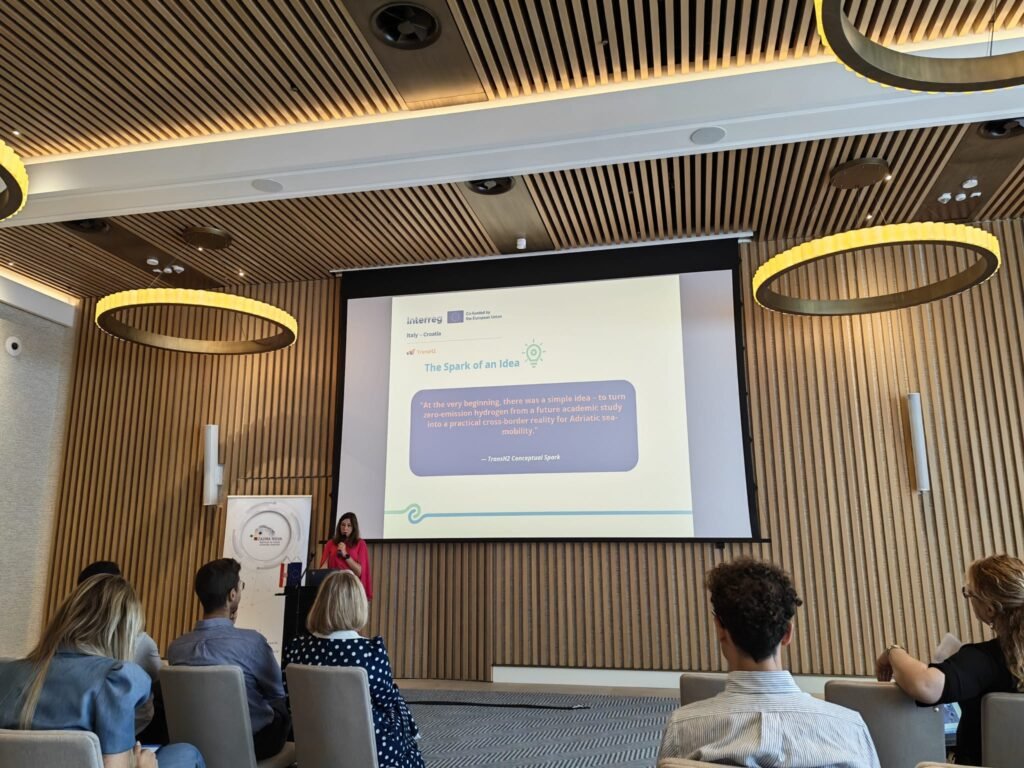
The event also showcased the scale of investments currently being directed towards hydrogen infrastructure, renewable energy integration and port decarbonisation activities throughout the Adriatic region. These developments indicate that hydrogen is increasingly moving beyond demonstration projects and entering a phase of strategic deployment supported by public and private investment.
At the same time, the conference highlighted the need for stronger engagement from Croatian hydrogen stakeholders. Despite the significant opportunities available within the emerging hydrogen economy, in-person participation from Croatia was relatively limited. Events such as the TransH2 final conference provide valuable opportunities to establish partnerships, exchange knowledge, identify investment opportunities and position organisations within rapidly developing European hydrogen value chains.
The North Adriatic region possesses many of the elements required to become a leading hydrogen corridor and clean-energy gateway for Central and South-East Europe. Strong port infrastructure, strategic transport routes, renewable energy resources, industrial demand centres and increasing cross-border cooperation create favourable conditions for accelerating hydrogen deployment and industrial decarbonisation.
For GSS, participation in the TransH2 final conference provided valuable insights into emerging market opportunities, infrastructure developments and regional collaboration initiatives that will shape the future hydrogen economy. These experiences reinforce the importance of continued cooperation between public authorities, industry, research organisations and infrastructure operators to unlock the full potential of hydrogen and support Europe’s transition towards climate neutrality.