
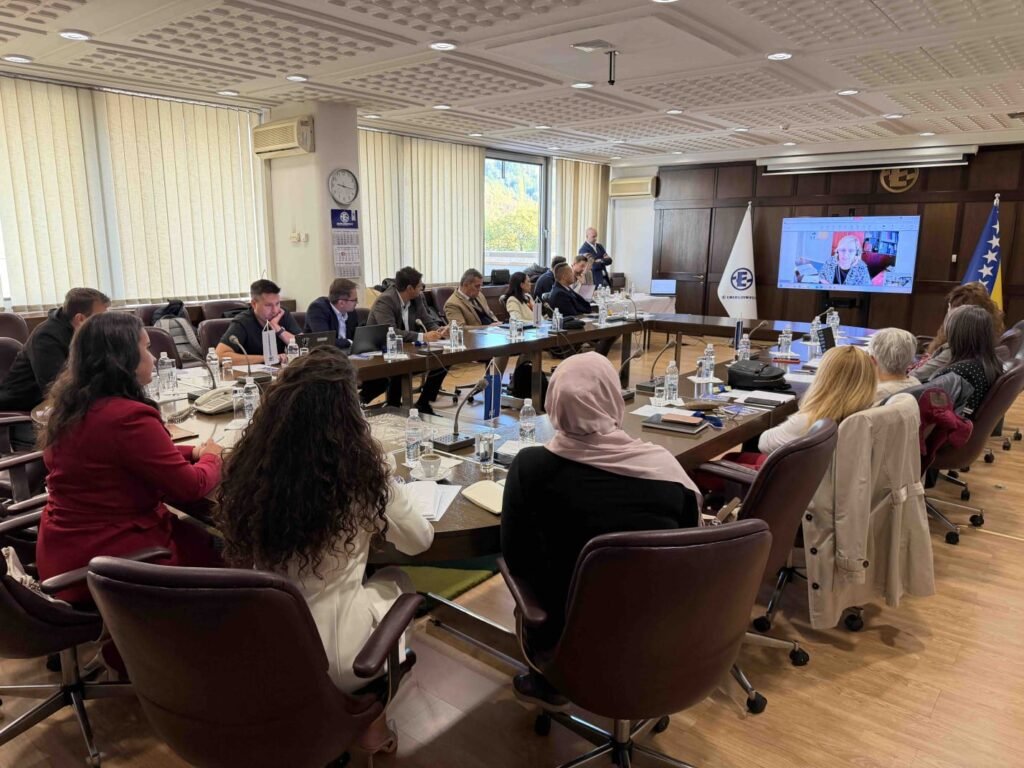
On 6 October 2026, GSS organised the first capacity-building workshop within the CEI-supported project “Support to Hydrogen Strategy Development and Know-How Transfer for Bosnia and Herzegovina”. The workshop marked the beginning of the project’s structured training programme and brought together project partners and relevant stakeholders to establish a common foundation for further development of hydrogen-related capacities in Bosnia and Herzegovina.
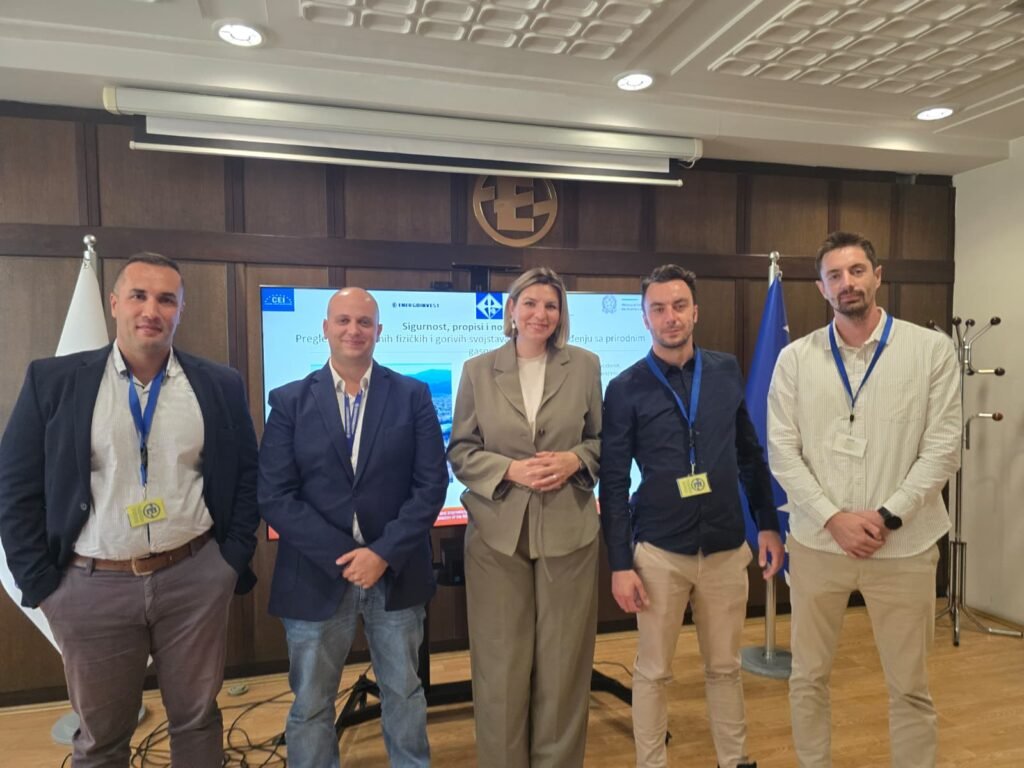
The project is designed to gradually strengthen institutional knowledge and readiness for hydrogen through workshops, study visits, strategic planning and the preparation of institutional hydrogen roadmaps. Workshop 1 represents the first major capacity-building activity within this process, providing participants from technical, strategic and institutional backgrounds with a common understanding of the hydrogen value chain and its relevance to the energy and industrial transition of Bosnia and Herzegovina.
The programme opened with welcome remarks from representatives of Energoinvest, GSS and the Central European Initiative, followed by a presentation of the BiH Hydrogen Inception Report by AgH2RES. The session presented the current starting point for hydrogen development in the country, including identified capacity needs, strategic sectors, key stakeholders and the next steps for the project.
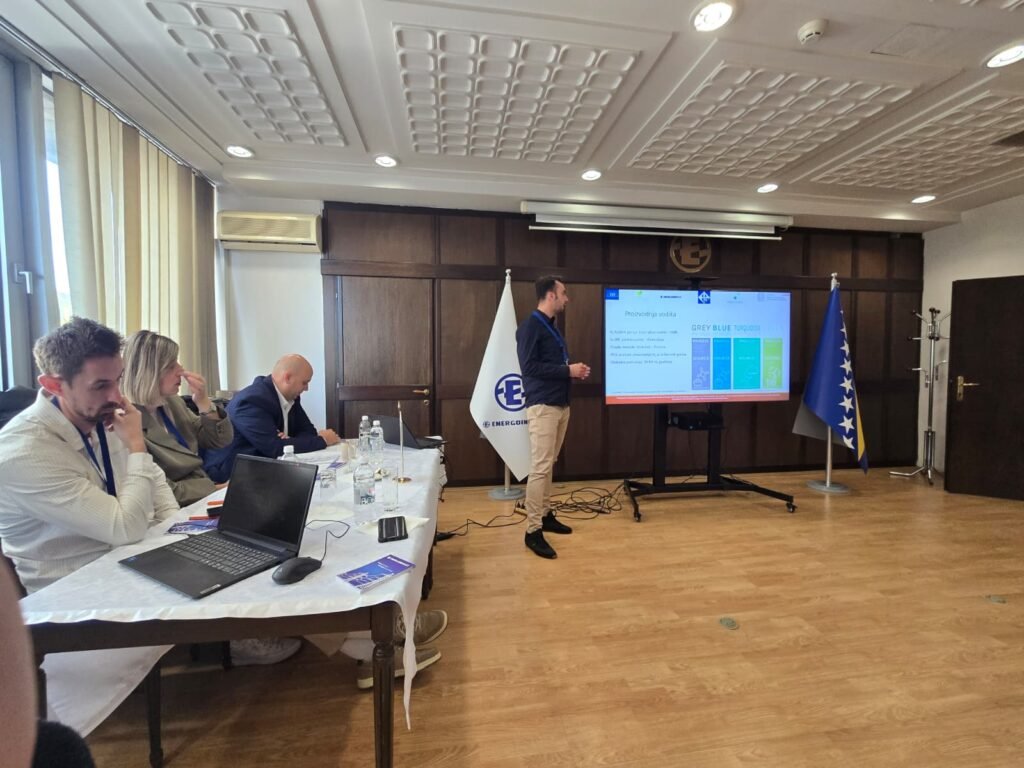
The technical programme then progressed through the entire hydrogen value chain. David Čondić from GSS introduced the basic concepts and sector overview through the “Hydrogen 101” session, establishing a common understanding of hydrogen properties, production routes and potential applications across industry, transport and the energy sector.
Dinko Đurđević from GSS presented the development of the European hydrogen economy, focusing on the interaction between EU strategies, regulation, infrastructure, financing and market demand. Particular attention was given to the implications of the evolving EU framework for Bosnia and Herzegovina, including the importance of regulatory alignment, certification, access to clean energy, potential off-takers and project bankability.
The workshop continued with dedicated technical sessions on hydrogen production, storage and transport. Maid Vlahovljak from AgH2RES presented the fundamentals of hydrogen production, including different electrolyser technologies, energy and water requirements and the factors influencing the technical and economic performance of hydrogen production systems.
David Čondić subsequently addressed hydrogen storage and transport, covering compressed and liquid hydrogen, alternative carriers such as LOHC and ammonia, as well as different transport options and their associated technical, economic and safety considerations.
The afternoon programme shifted towards practical deployment. Dinko Đurđević presented hydrogen applications and use cases across industry, transport and energy, with particular attention to sectors where direct electrification is difficult and where hydrogen can provide additional value. European demonstration projects, hydrogen valleys, Power-to-H₂ applications and fuel-cell-based solutions were used to connect the technological discussion with practical implementation pathways.
The workshop concluded with a dedicated session on hydrogen safety, regulation and standards delivered by Arnes Biogradlija from AgH2RES. The presentation addressed hydrogen-specific physical and combustion properties, leakage and fire risks, detection and mitigation measures, as well as relevant EU regulatory and standardisation frameworks for production, storage and transport.
A central message emerging from the workshop was that successful hydrogen deployment depends on much more than the availability of a single technology. Viable hydrogen projects require the coordinated development of energy supply, production technology, infrastructure, safety systems, regulation, certification, users and financing. For Bosnia and Herzegovina, these elements will need to be considered together when identifying realistic priorities and future project opportunities.
Workshop 1 establishes the common knowledge base for the next phase of project implementation. Further activities will progressively move from foundational capacity building towards practical exposure, strategic planning and the development of institutional hydrogen roadmaps, allowing participating institutions to translate knowledge into concrete priorities and future projects.
GSS will continue coordinating project activities and supporting the transfer of European hydrogen knowledge and experience to the Bosnia and Herzegovina context, with the objective of strengthening institutional capabilities and creating a more structured basis for future hydrogen policy, investment and project development.
Funding acknowledgement: This project is financed with the contribution of the Ministry of Foreign Affairs and International Cooperation of the Italian Republic. The content of this document represents the views of its authors and in no way represents the position of the Ministry of Foreign Affairs and International Cooperation.